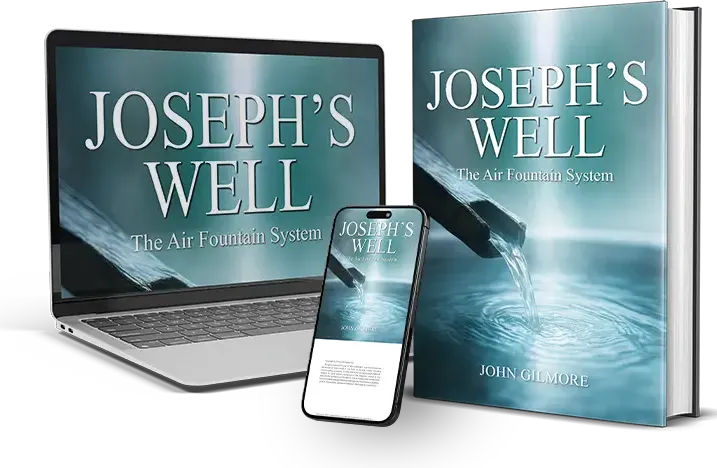
Joseph's Well is a step-by-step educational program that explores how atmospheric water generation can be used to collect moisture from the air and convert it into usable water. As concerns about drought conditions, water shortages, and emergency preparedness continue to grow, many homeowners are becoming interested in alternative methods of securing a reliable backup water source.
Designed for beginners, the program explains the fundamentals of water-from-air technology through detailed tutorials, practical guidance, and easy-to-follow instructions. Whether you're researching off-grid solutions, emergency water planning, or simply learning about atmospheric water generation, Joseph's Well provides an introduction to the concepts behind this increasingly popular approach to water preparedness.

“I wanted a simple backup water solution for my family, especially during storm season, and Joseph’s Well turned out to be much easier to follow than I expected. The videos and instructions were clear, and I was able to put the system together using affordable materials from local stores. It gave me extra peace of mind knowing we have another water option during emergencies.”
“Joseph’s Well has been one of the most useful preparedness projects I’ve worked on. The instructions were detailed but easy to understand, and the materials were affordable and easy to find. I like that the system focuses on practical preparedness instead of complicated setups. It’s a smart option for anyone looking to feel more prepared and independent.”
“Living in a dry area made me curious about alternative water solutions, so I decided to try Joseph’s Well. I liked how beginner-friendly the guide was, even for someone without technical experience. The setup process was straightforward, and I appreciated the focus on preparedness and self-reliance. It feels good knowing we have a practical backup plan for uncertain times.”
Joseph's Well is a guide built around the idea of atmospheric water generation, a technology that allows moisture in the air to be collected and converted into usable water. As concerns about drought conditions and water reliability continue to grow, interest in alternative water solutions has increased among homeowners, preparedness-minded families, and off-grid enthusiasts.
The program introduces the basic principles behind water-from-air systems and explains how these systems operate under different environmental conditions. Through instructional resources and practical examples, readers can learn more about the components, setup process, and factors that influence water production.
Rather than focusing solely on emergency situations, Joseph's Well explores how atmospheric water generation fits into broader water preparedness strategies. From backup water planning to self-reliance projects, the program provides an overview of a technology that many people are now researching as part of their long-term water security plans.
Atmospheric water generation is a technology that captures moisture naturally present in the air and converts it into usable water through a process known as condensation. Even when the air appears dry, it still contains water vapor. By cooling the air to the point where this vapor condenses into liquid, water can be collected and stored for various household uses.
After the moisture is collected, the water typically passes through a filtration and purification process designed to improve quality and remove unwanted particles. The amount of water produced depends on several factors, including humidity levels, temperature, airflow, and the efficiency of the system being used. For this reason, atmospheric water generation systems may perform differently depending on local climate conditions.
The Joseph's Well program introduces the basic principles behind atmospheric water generation and explains how water-from-air systems operate using commonly available components. By helping users understand the technology and the factors that influence performance, the program offers a practical introduction to alternative water solutions, backup water planning, and long-term water preparedness.
The science behind Joseph's Well is based on a natural process that occurs every day in the environment. Air contains water vapor, even when it cannot be seen. When warm air comes into contact with a sufficiently cool surface, that moisture condenses into liquid water. The same principle is responsible for the droplets that form on windows, cold beverages, and morning dew. Atmospheric water generation systems apply this process in a controlled way to collect water from the surrounding air.
Humidity plays an important role in how efficiently water-from-air technology operates. Higher humidity levels generally provide more moisture for collection, while temperature and airflow can also influence overall performance. Because environmental conditions vary throughout the year, water production may differ depending on location, season, and weather patterns. Understanding these factors helps users better appreciate how atmospheric water generation works under real-world conditions.
Joseph's Well explores these scientific principles through educational resources that explain condensation, moisture collection, and filtration in a simple and easy-to-understand format. By combining practical guidance with the fundamentals of atmospheric water generation, the program helps readers gain a clearer understanding of how water-from-air technology fits into broader discussions about water preparedness, backup water planning, and long-term water security.
Access to clean water is something many people rarely think about until a disruption occurs. Severe weather events, aging infrastructure, drought conditions, and unexpected service interruptions can all affect the availability of water in different regions. While most communities have reliable water systems, recent years have highlighted the importance of having a backup water plan and exploring additional ways to improve long-term water security.
Water preparedness is not about expecting the worst; it is about being ready for temporary disruptions and having practical options available when needed. Many households already prepare for emergencies by storing food, batteries, and first-aid supplies, yet water planning is often overlooked. This growing interest in preparedness is one of the reasons programs such as Joseph's Well and other alternative water solutions have attracted attention from homeowners looking to become more self-reliant.
As awareness of water-related challenges continues to grow, more people are exploring backup water sources alongside traditional supplies. From water storage and rainwater collection to atmospheric water generation technology, these solutions can play an important role in a broader preparedness strategy. Learning about different approaches today may help families feel more confident and better prepared for unexpected situations in the future.
Joseph's Well is designed to help users understand the fundamentals of atmospheric water generation through a structured, step-by-step learning process. Rather than requiring advanced technical knowledge, the program breaks the concepts down into simple lessons that explain how moisture can be collected from the air and converted into usable water using commonly available components.
The program provides detailed instructional materials, video tutorials, and setup guidance intended to make the learning process easier for beginners. Users are introduced to the key parts involved in a water-from-air system and learn how different environmental factors such as humidity, temperature, and airflow can influence overall performance.
As participants move through the training, they gain a better understanding of how atmospheric water generation systems are assembled and how the various components work together. The goal is to present the information in a practical and easy-to-follow format that can be understood without specialized experience or expensive equipment.
By combining educational resources with real-world examples, Joseph's Well offers an introduction to alternative water solutions and backup water planning. The program focuses on helping users explore water-from-air technology while learning more about preparedness, self-reliance, and long-term water security.
The Joseph's Well program is designed to provide educational resources that help users understand atmospheric water generation and water-from-air technology. The materials are presented in a step-by-step format intended to make the concepts easier to follow for beginners.
Most households rely on a single primary water source, whether that is a municipal water system, a private well, or delivered bottled water. While these options serve millions of people every day, they also depend on infrastructure, utility services, and supply networks that can occasionally face disruptions due to weather events, maintenance issues, or local water restrictions.
As a result, many homeowners are beginning to explore additional ways to strengthen their overall water preparedness. Common approaches include water storage, rainwater collection, filtration systems, and alternative water technologies. Rather than replacing traditional sources, these methods are often viewed as supplemental options that can provide added flexibility and peace of mind during unexpected situations.
Joseph's Well introduces atmospheric water generation as one of these alternative approaches. By teaching the principles behind collecting moisture from the air and converting it into usable water, the program helps users learn more about water-from-air technology and its potential role in long-term water planning. For those interested in preparedness, self-reliance, and water security, it offers a different perspective on how multiple water solutions can work together as part of a broader strategy.
Getting started with Joseph's Well begins by reviewing the educational materials included in the program. Users are introduced to the fundamentals of atmospheric water generation, including how moisture in the air can be collected and the environmental factors that influence water production. The lessons are organized in a step-by-step format that makes the concepts easier to understand for beginners.
After becoming familiar with the basic principles, users can follow the instructional guidance provided within the program. This includes learning about system components, setup considerations, and the role of factors such as humidity, airflow, and filtration. The goal is to help users build a solid understanding of how water-from-air technology works before moving on to practical implementation.
As users progress through the training, they can explore how atmospheric water generation may fit into their own water preparedness plans. Whether the objective is learning about alternative water solutions, strengthening backup water planning, or gaining a better understanding of water security, Joseph's Well provides a structured introduction that can be followed at an individual pace.
John Gilmore is the creator of Joseph's Well, a program developed to help people learn more about atmospheric water generation and alternative approaches to water preparedness. As interest in backup water planning and water security continues to grow, he created the program as an educational resource designed to make water-from-air technology easier to understand for everyday homeowners.
Through Joseph's Well, John presents complex concepts in a simplified format that focuses on practical learning rather than technical jargon. The program includes instructional materials, step-by-step guidance, and explanations intended to help beginners explore how atmospheric water generation systems work and the factors that influence their performance.
His approach emphasizes education, preparedness, and informed decision-making. By introducing readers to topics such as moisture collection, condensation, filtration, and water planning, John Gilmore aims to help individuals gain a better understanding of alternative water solutions and the role they may play in long-term household preparedness.
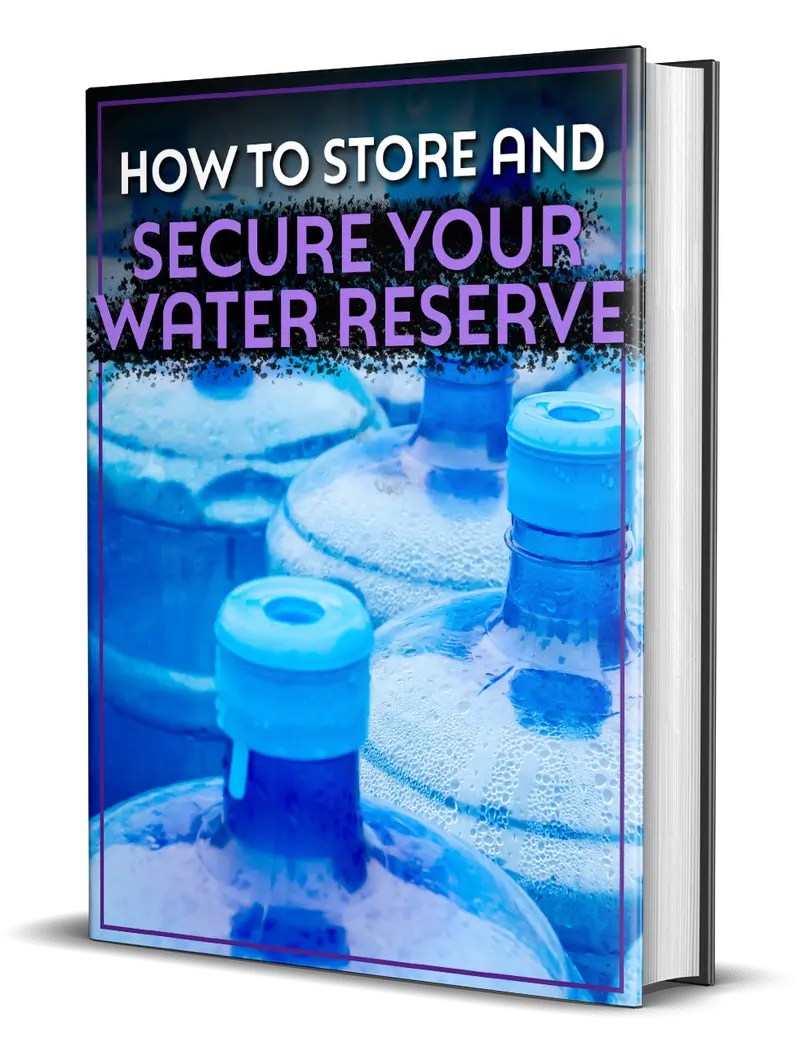
Learn practical ways to safely store and manage your backup water supply for emergencies and long-term preparedness. This guide explains simple storage methods, container recommendations, rotation tips, and ways to help protect stored water from contamination during uncertain situations.
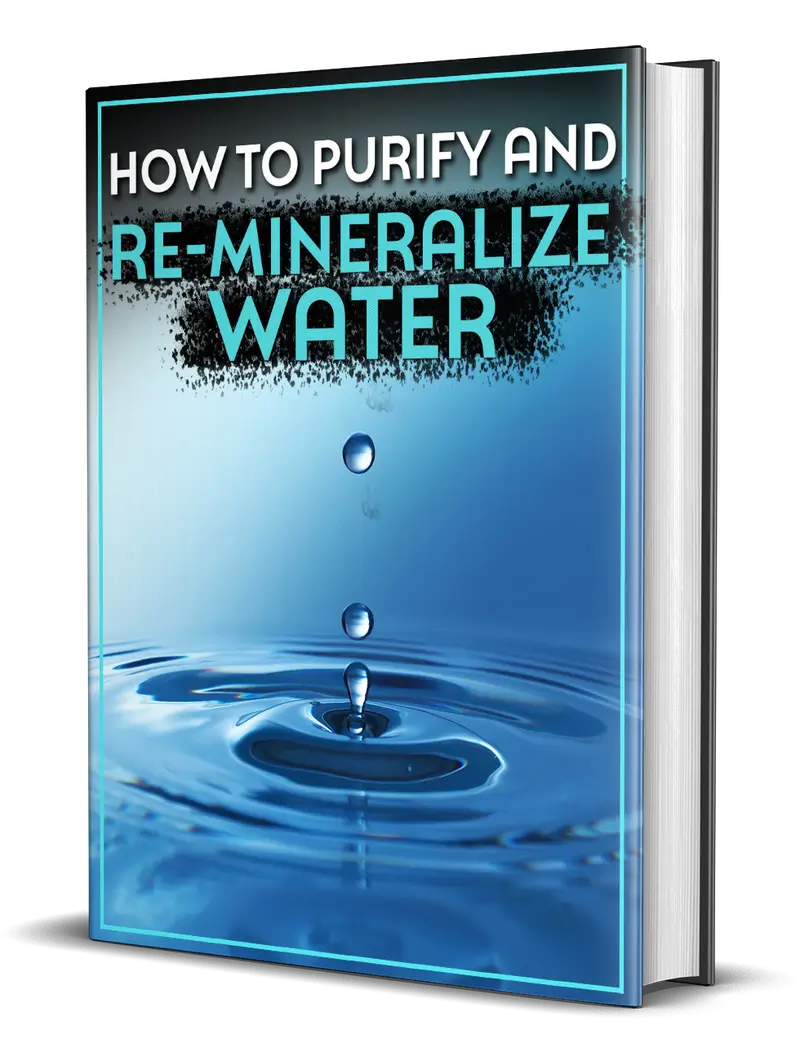
Discover beginner-friendly methods to help filter, purify, and improve water quality using simple techniques that can support emergency preparedness and off-grid living. This bonus also explains how mineral support may help improve the taste and overall quality of stored water.
This special report explores common concerns related to modern water supplies, including potential contaminants, water quality issues, and everyday preparedness strategies. Learn simple ways families can become more aware of their household water safety and long-term water security.
Reliable Backup Water Solution
Joseph’s Well helps families create a practical backup water source using atmospheric moisture during emergencies and uncertain situations.
Beginner-Friendly DIY System
The guide includes easy step-by-step tutorials, clear instructions, and simple setup guidance designed for everyday users.
Affordable to Build
Most of the required materials are commonly available and budget-friendly compared to many expensive commercial water systems.
Supports Off-Grid Living
The system can work alongside solar setups and alternative power options, making it useful for cabins, RVs, and rural living.
No Advanced Technical Skills Needed
Joseph’s Well is designed for beginners without requiring professional experience or specialized equipment.
Helpful Preparedness Resources
Includes additional guidance on water filtration, storage, and emergency preparedness for long-term planning.
Water Output Depends on Humidity
Performance can vary based on local climate, humidity levels, and environmental conditions.
Requires Time to Build
Users still need to gather materials and spend time assembling the system at home.
Not a Complete Replacement for Large Households
Depending on usage needs and climate conditions, some families may require additional water solutions for higher daily demand.
Joseph’s Well is backed by a 60-day money-back guarantee, giving customers the opportunity to explore the complete digital guide, review the step-by-step instructions, and understand how the system works with greater confidence. This risk-free policy allows users enough time to decide whether Joseph’s Well is the right fit for their emergency preparedness, off-grid living, and backup water planning goals.
If for any reason you are not satisfied with your purchase, you can contact the official support team within 60 days to request a refund according to the company’s refund policy. The process is designed to be simple and customer-friendly, helping users feel more comfortable and secure when trying the Joseph’s Well system.
No. Joseph’s Well is designed for beginners and includes step-by-step video tutorials, blueprints, and easy setup instructions that make the system simple to build using basic tools and affordable materials.
Joseph’s Well uses atmospheric water generation methods to collect moisture from humid air, condense it into liquid, and direct it through a filtration process to help create a practical backup water source.
Yes. Joseph’s Well is designed to support emergency preparedness, off-grid living, RV travel, cabins, and backup water planning. The system can also work alongside solar and alternative power setups.
No. The program focuses on affordable and commonly available materials that can usually be purchased from local hardware stores or online without requiring specialized equipment.
Yes. Joseph’s Well includes a 60-day money-back guarantee, allowing users to explore the program and decide if it fits their preparedness and water independence goals.
Once you have clicked the "Buy Now" button that is right below this text, you will be taken to the secure checkout page. Just enter your information, and you will then be given instant access to your Joseph's Well and bonus materials.
Your privacy and payment security are important when purchasing Joseph’s Well online. Orders are processed through ClickBank, a well-known online retailer that uses secure checkout technology and encryption systems designed to help protect your personal and payment information during the ordering process.
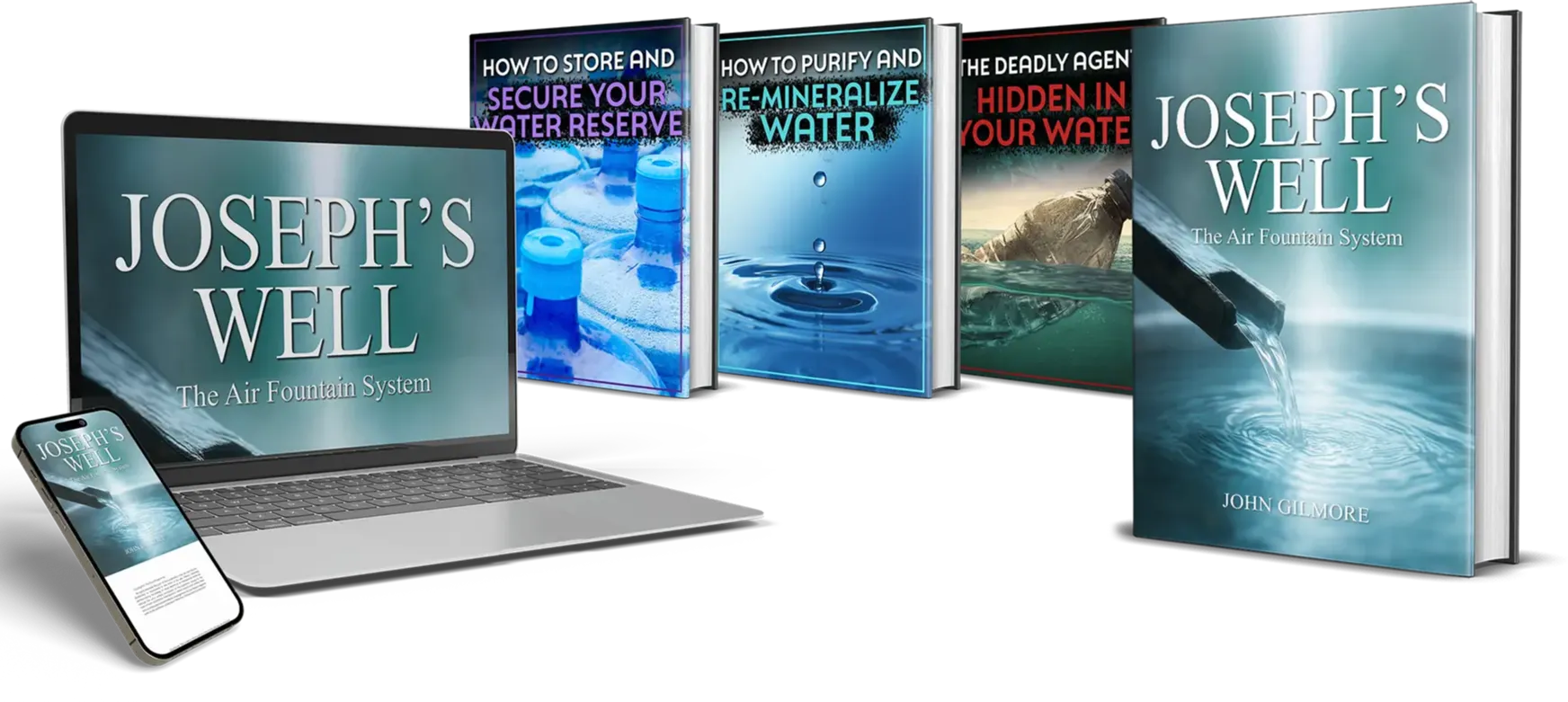
As of now, Joseph’s Well is available through a one-time payment that includes instant digital access to the complete program. Customers receive the full DIY water-from-air guide, step-by-step video tutorials, blueprints, setup instructions, bonus preparedness resources, and additional support materials.
From time to time, the official website may also include special discounts, limited-time offers, or bonus guides depending on current promotions. Since pricing and package details may change, it is always recommended to check the latest offer directly on the official Joseph’s Well website before ordering.
Joseph’s Well is backed by a 60-day money-back guarantee, allowing customers to explore the program with greater confidence and peace of mind. This risk-free policy gives users enough time to review the guide, understand the setup process, and decide whether the system fits their preparedness and backup water goals.
If you are not satisfied with your purchase for any reason, you can request a refund within the 60-day guarantee period according to the company’s refund policy. This customer-friendly approach helps provide a more secure and comfortable purchasing experience for new users.
Email - support@josephwell.com
Joseph's Well and its related materials are provided for educational and informational purposes only. This program is designed to help users learn about atmospheric water generation, water preparedness, and alternative water solutions. It is not a certified water treatment device or guaranteed emergency water solution.
Results may vary based on climate conditions, humidity levels, system setup, and individual circumstances. Always follow appropriate safety practices and consult qualified professionals regarding water quality, testing, filtration, and local regulations before using any DIY water generation system.